 Tel: +86 188 2689 9458


Tel: +86 188 2689 9458


source:Industry News release time:2024-01-24 Hits:
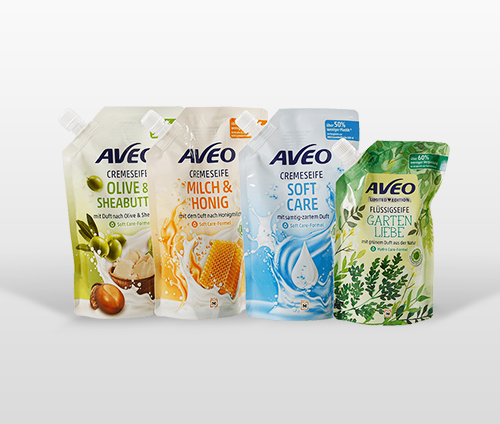
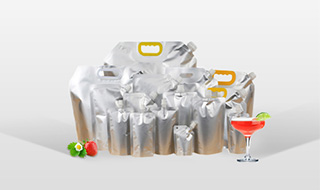
The classification of liquid bags can be based on various methods such as their purpose, material, shape, etc. The following are common classification methods:
Classified by purpose:
Food specific liquid bag: A bag used for packaging food liquids, which must strictly comply with food hygiene standards. The material must be non-toxic, odorless, and odorless, and can prevent external odors from entering.
Chemical specialized liquid bag: A bag used for packaging chemical liquids. Due to the corrosiveness of most chemical liquids, it is required that the liquid bag has good anti-corrosion performance.
Petroleum specific liquid bag: a bag used for transporting various petroleum products.
High temperature resistant liquid bag: used for packaging liquids that need to be stored or transported in high-temperature environments. The material of the liquid bag is required to withstand high temperatures without deformation or melting.
Classified by material:
Plastic liquid bag: A liquid bag made of plastic materials, which has the characteristics of being lightweight, waterproof, and moisture-proof. Common plastic materials include polyethylene (PE), polypropylene (PP), etc.
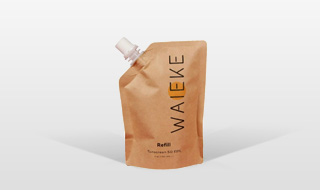
Pulp liquid bag: A liquid bag made of pulp material, which can be recycled and reused, and has strong environmental protection. However, the compressive performance of pulp bags is poor and they are not suitable for carrying heavy liquids.
Metal liquid bag: A liquid bag made of metal materials, such as aluminum foil bags, which have good moisture and oxygen resistance, but have high cost and are not easy to degrade.
Classified by shape:
Square liquid bag: The four corners are at right angles and the shape is relatively regular.
Circular liquid bag: It is spherical in shape and has a high space utilization rate.
Irregular shaped liquid bag: often used for special packaging needs due to its irregular shape.
Classification by layer: According to the different layers of liquid bags, they can be divided into single-layer, double-layer, and multi-layer liquid bags. The more layers there are, the better the moisture, oxygen, and odor resistance, but the corresponding cost also increases.
In addition, classification can also be made based on the opening and sealing methods of the liquid bag. Different classification methods make liquid bags diverse
Read recommendations:
flexible packaging houston sales
New machine 1L-250L April,17,2023
petco free dog food bag Solution.How to handle the odor of food packaging bags
Popular recommendation
Custom Print Side Gusset Coffee Pouch Black Matte Coffee Beans Packaging With Valve
Aluminum foil bag
Wholesale Price Biodegradable Aluminum 3 Three Side Seal High Temperature Microwavable Food Retort S
aluminium spout pouch maker
coffee grinds pouches Processing
custom spout pouches
gusset aluminum foil bag
bag in box packaging Solution
pouch with handle maker
pet food bag sealer price
Stand Up Pouch Manufacturing Process- The Complete Guide
Introduction to Barcodes for Packaging Bags
Various common sense of plastic packaging bags.valve plastic coffee bag
Why are cylindrical bag-in-box so popular?
Take you to analyze the wrinkle phenomenon in the zipper bag
mini Snack food bag Solution.How to Choose a Qualified Food Packaging Bag
A detailed introduction to food packaging bags
Qualified packaging: Face is good, but lining is good.
What does a bag in a box look like?
What are the types of packaging bags
How biodegradable plastic bags can be degraded
Application materials of composite packaging bags.eco friendly spout pouches manufacture
printed snack food bags sales.On the Printing Standards of Food Packaging Bags
What is a composite bag.bag in box maker
The advantages and characteristics of bagged red wine in a box.bag in box with valve
Where are OPP plastic bags used?
How to choose the type of food packaging bag?
Introduction to Color Printing Composite Packaging Materials.bag in box packaging manufacturer
Ordinary plastic bag material summary.kraft paper pouch pouches
Packaging requirements for bag making process
Subscribe to Top-line emails and
stay updated on our news.
 +86 188 2689 9458
Email: info@toplinepackaging.com
Add: Room 204-205 ,Buliding 2 ,No 7 xinji Road,Nancheng street ,Dongguan City ,Guangdong province,China











 Download Catalogs




 Wechat
 Whatsapp
