 Tel: +86 188 2689 9458


Tel: +86 188 2689 9458

source:other news release time:2023-05-08 Hits:
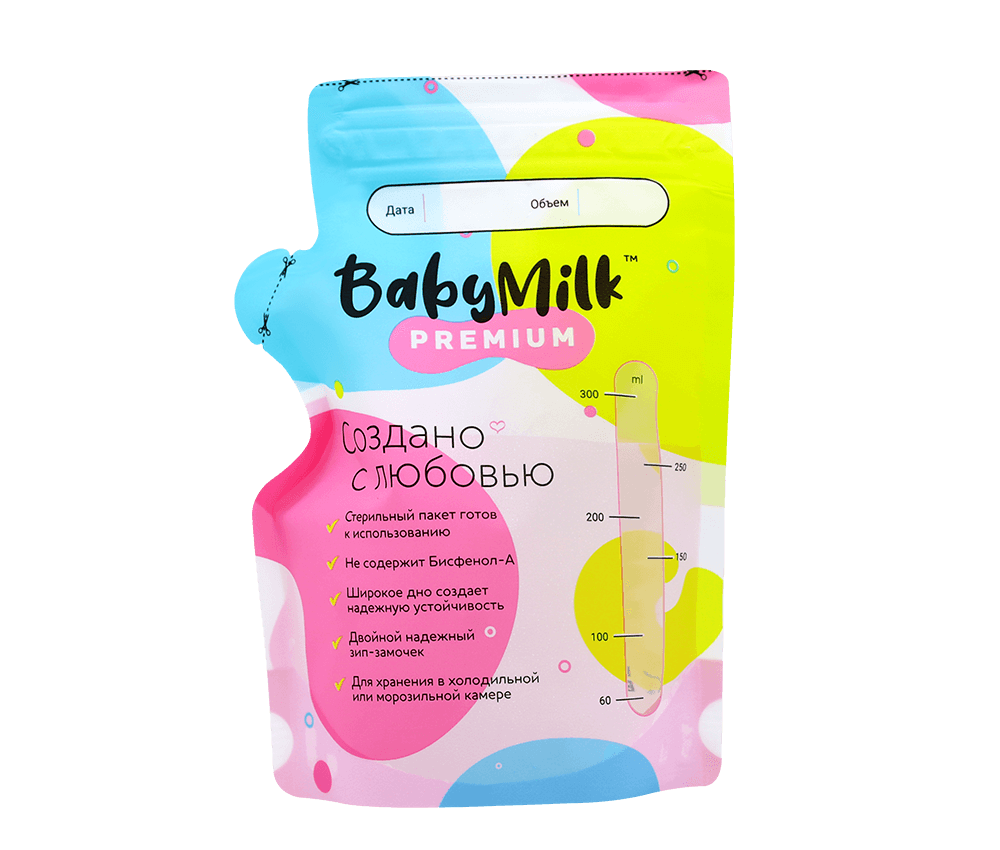
Composite bags are made of polyester, nylon, aluminum foil, and special polyolefin films using adhesives through a dry lamination process to produce composite films, which are then ripened, cut, and made into steaming bags. After packaging food, composite bags must undergo high-temperature sterilization treatment at 121-135 ℃ and 30-40 minutes. Not only should the film used for bag making be resistant to high temperature, but the adhesive used for bonding the film also needs to be resistant to high temperature, otherwise it is easy to experience adverse phenomena such as decreased adhesive strength and delamination between the films after cooking. At present, the adhesive mainly used for the composite of cooking bags in the market is imported products from abroad. A high-temperature resistant adhesive for cooking bags has recently been developed by the Chemical Research Institute. After several machine composite tests, its cooking resistance, content resistance, and hygiene safety meet the requirements of domestic manufacturers.
After packaging food in composite folding bags, they must undergo high-temperature sterilization treatment at 121~135 ℃ and 30~40 minutes, and the packaging materials used must be heat-resistant. The commonly used materials for cooking bag packaging include polyester (PET), nylon (NY), aluminum foil (Al), and cast polypropylene (CPP). The adhesive is a two component polyurethane adhesive that is resistant to high temperature cooking. A composite film is made through a dry composite process.
The first substrate for composite folding bags is mainly materials with low elongation and high heat resistance, such as polyester (PET), nylon (NY), and composite film PET/Al. The second substrate mainly consists of materials with high elongation, easy deformation when heated, and low tensile strength, such as cast polypropylene (CPP), aluminum foil (Al), and composite film NY/CPP. The main process of dry lamination is that the first substrate is coated with glue by a wire roller, then heated and dried by a drying duct, and the second substrate is heated and pressurized by a composite steel roller before being rolled into a composite film. Then it is sent to the drying room for heating and maturation for a few days, and then cut into pieces before making bags.
Read recommendations:
Wholesale Price Biodegradable Aluminum 3 Three Side Seal High Temperature Microwavable Food Retort S
Understand the color printing technology of packaging bags
The difference between packaging film and composite curl film.Flexible packaging film roll
Popular recommendation
Super pouch
125g 250g 500g 1kg Aluminum Foil Flat Bottom Coffee Bean Bags With Valve
PET food bag
spout pouch packaging company
aluminium spout pouch custom
bag in box packaging
kraft spout pouch custom
kraft spout pouch Production
spout pouch packaging bags supplier
flexible packaging Production
Beverage Pouch: The Ultimate Guide
mini Snack food bag Solution.How to Choose a Qualified Food Packaging Bag
Paper IBC (Intermediate Bulk Container): The Future of Sustainable Bulk Packaging
Bag-In-Box: The Future of Flexible Packaging and Its Impact on Top-line Growth
Do you know all the things in the Bag-in-box?
What is the function of the hole on the coffee bag
bag for food packaging.What are the application scope of composite packaging bags
Bag-in-box liquid packaging method
Sterile packaging bag.aluminum foil bag large custom
How are the bags classified?
A major advantage of food grade vacuum packaging bags
What Food Vacuum Zipper Bag do you see?pint zipper vacuum bag custom
New high isolation plastics have been widely used.bag in box Factory
What are the abilities of composite food bags.smart food snack bags wholesaler
Discussion on the Benefits of Vacuum Packaging Bags for Tea.vacuum zipper bags company
What raw materials are used for making plastic bags?coffee packaging plastic bag
Food packaging bags.smart food Snack food bag manufacture
Do you know the manufacturing process of high -temperature steaming bags?kraft paper pouch envelope
Discussion on the reasons affecting the quality of water packaging bags.heat seal liquid packaging
Why choose aluminum foil bags for mask packaging bags
Subscribe to Top-line emails and
stay updated on our news.
 +86 188 2689 9458
Email: info@toplinepackaging.com
Add: Room 204-205 ,Buliding 2 ,No 7 xinji Road,Nancheng street ,Dongguan City ,Guangdong province,China












 Download Catalogs




 Wechat
 Whatsapp
